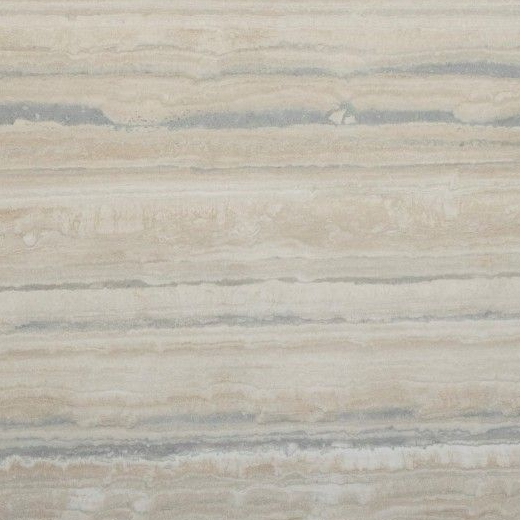
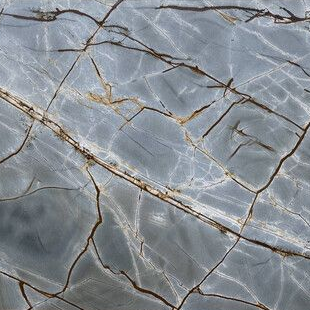
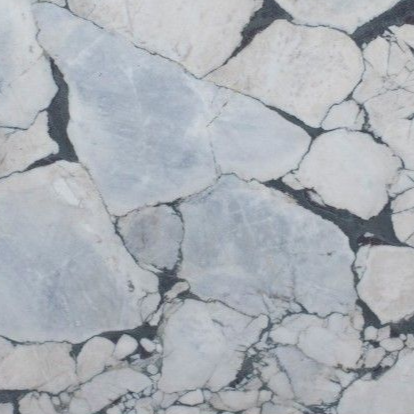
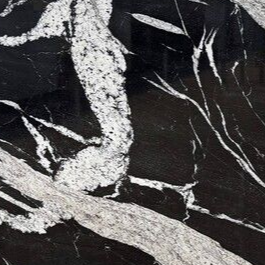
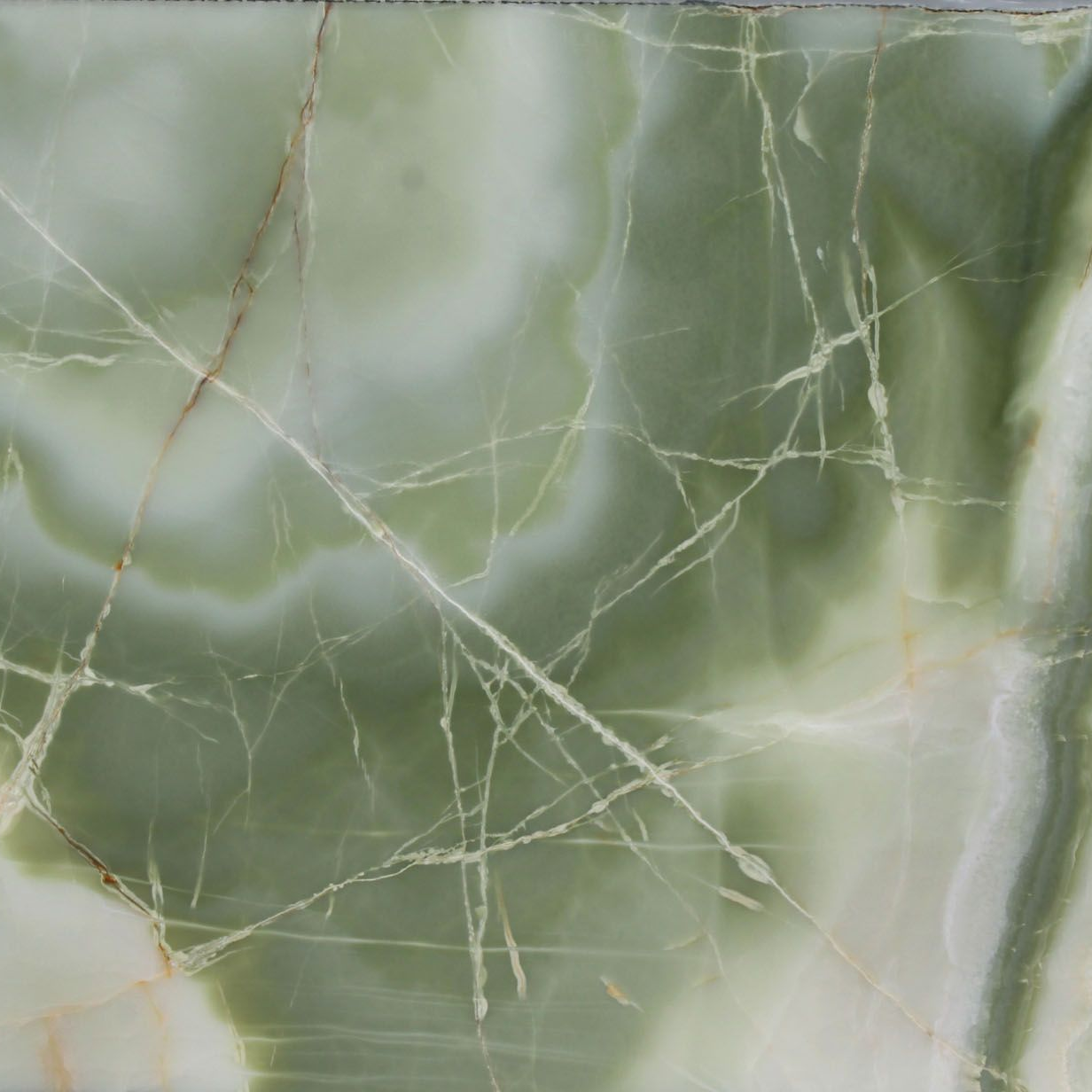
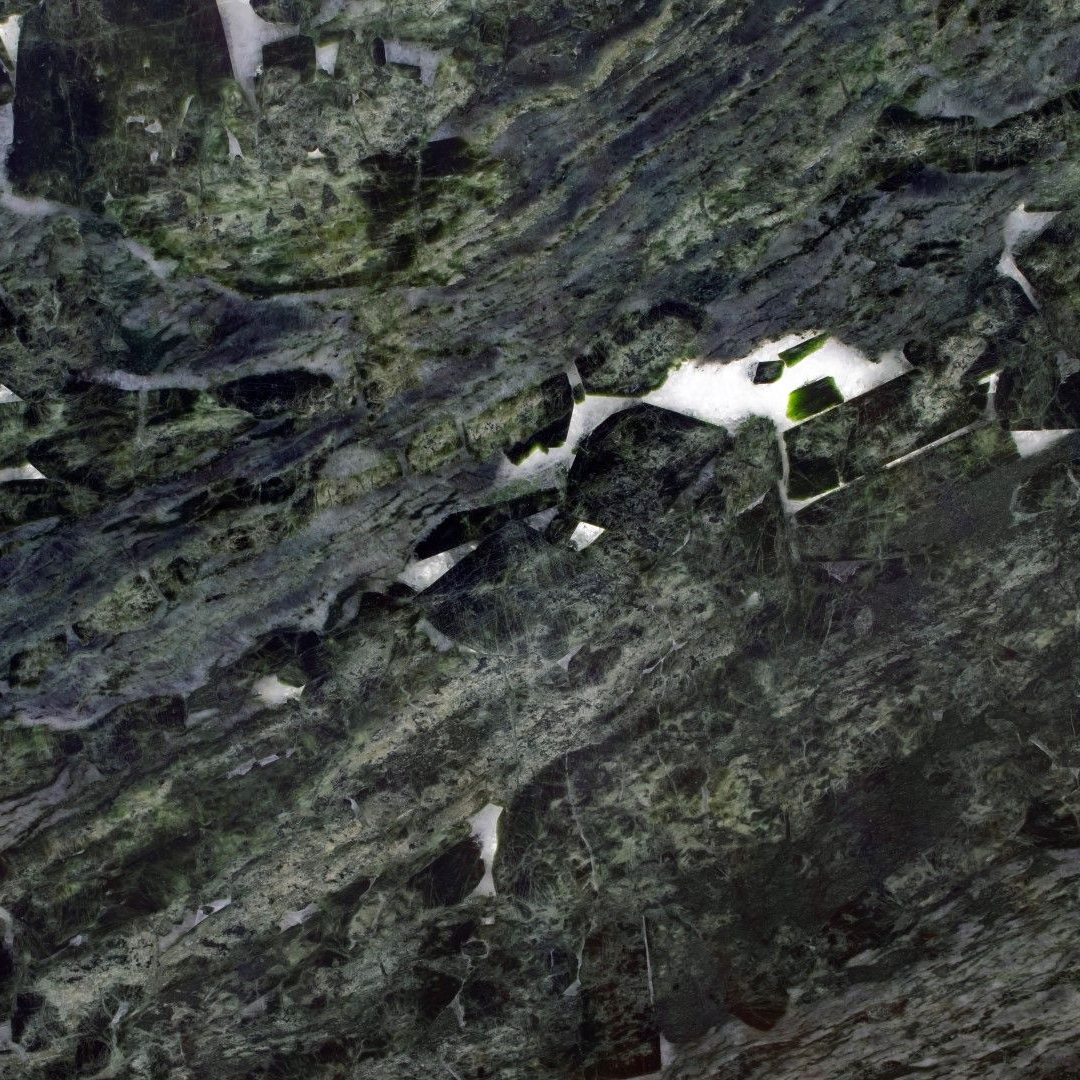
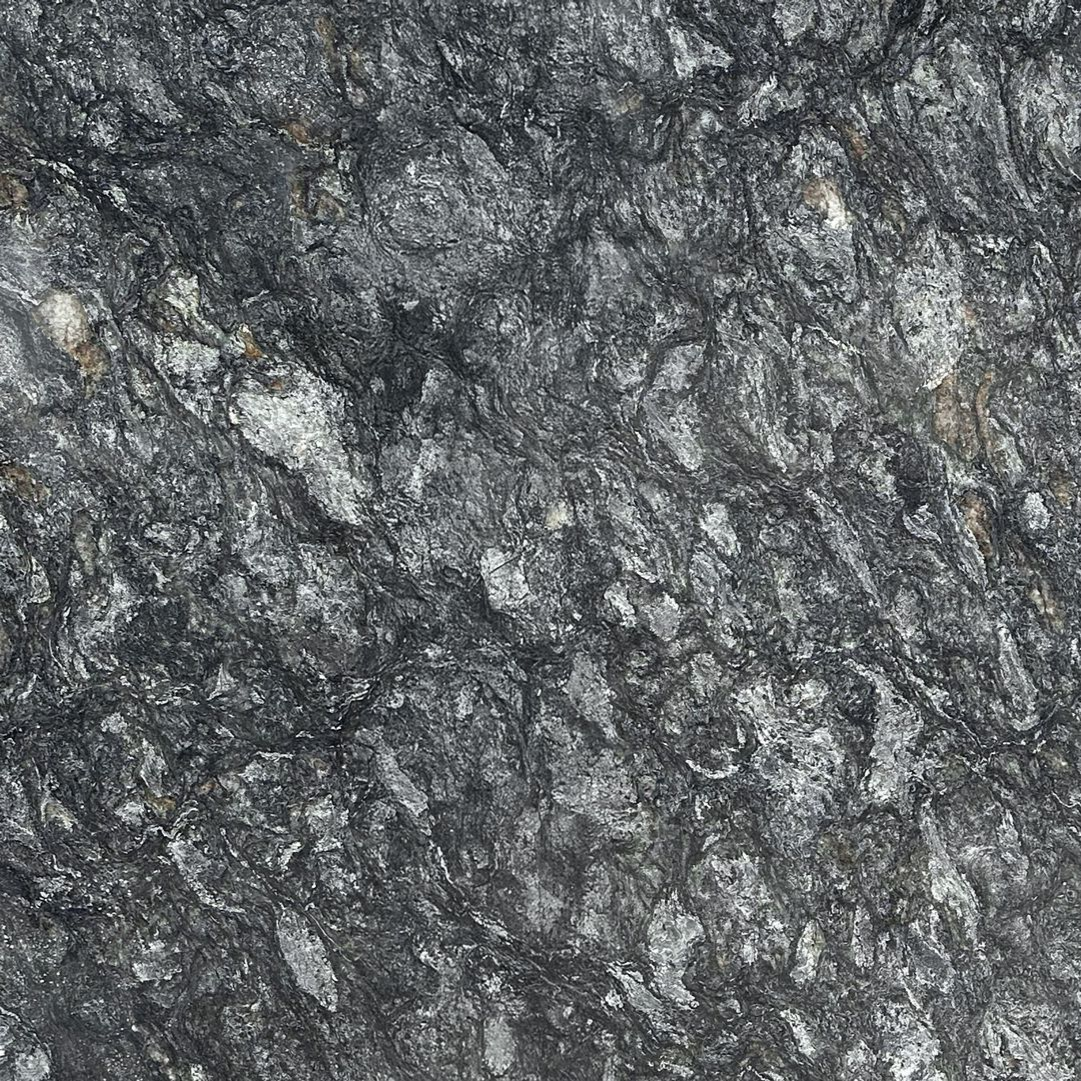
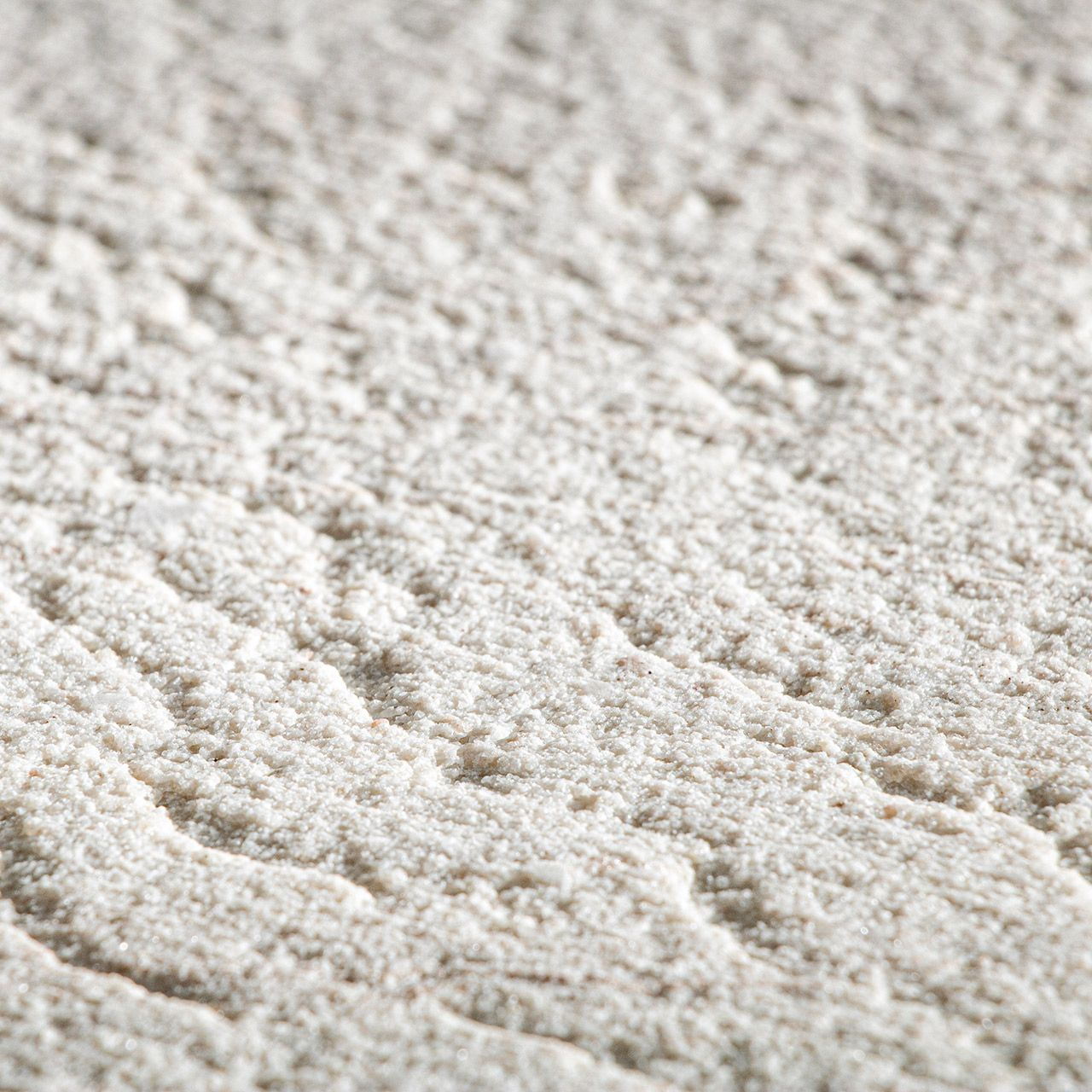
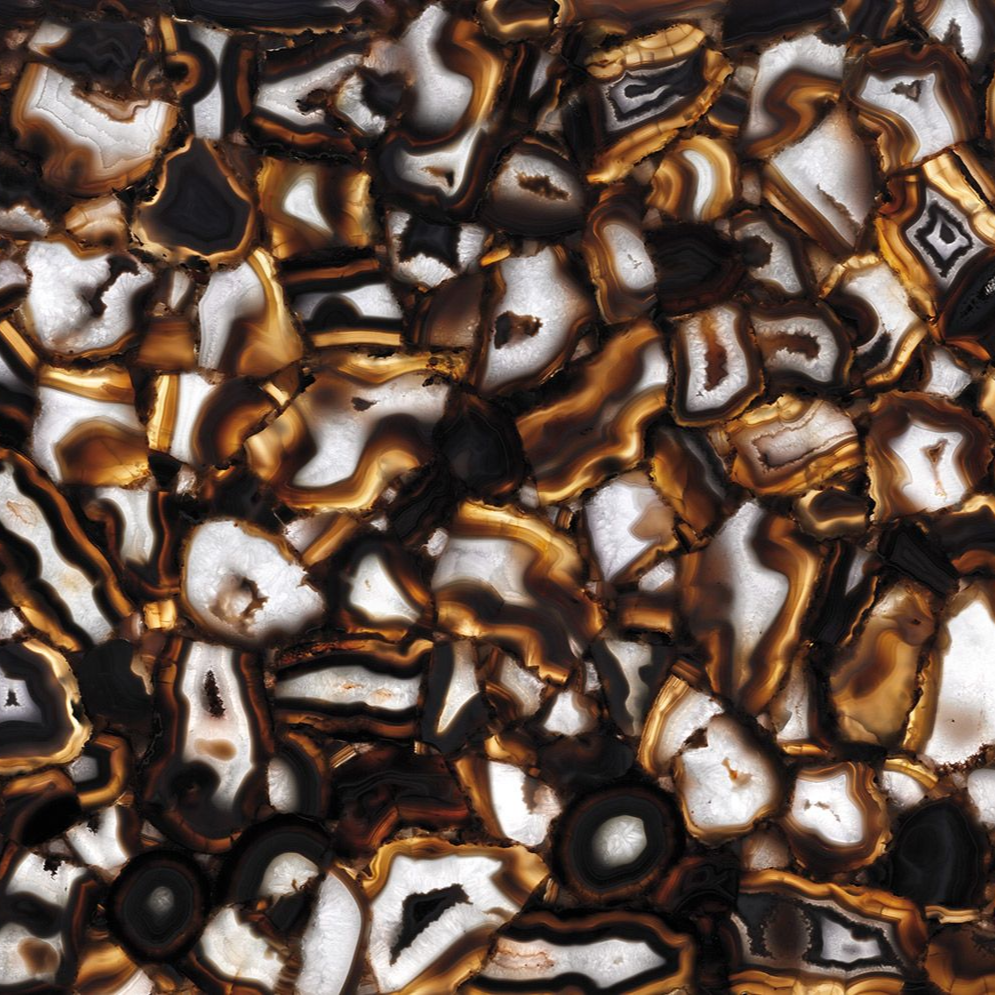
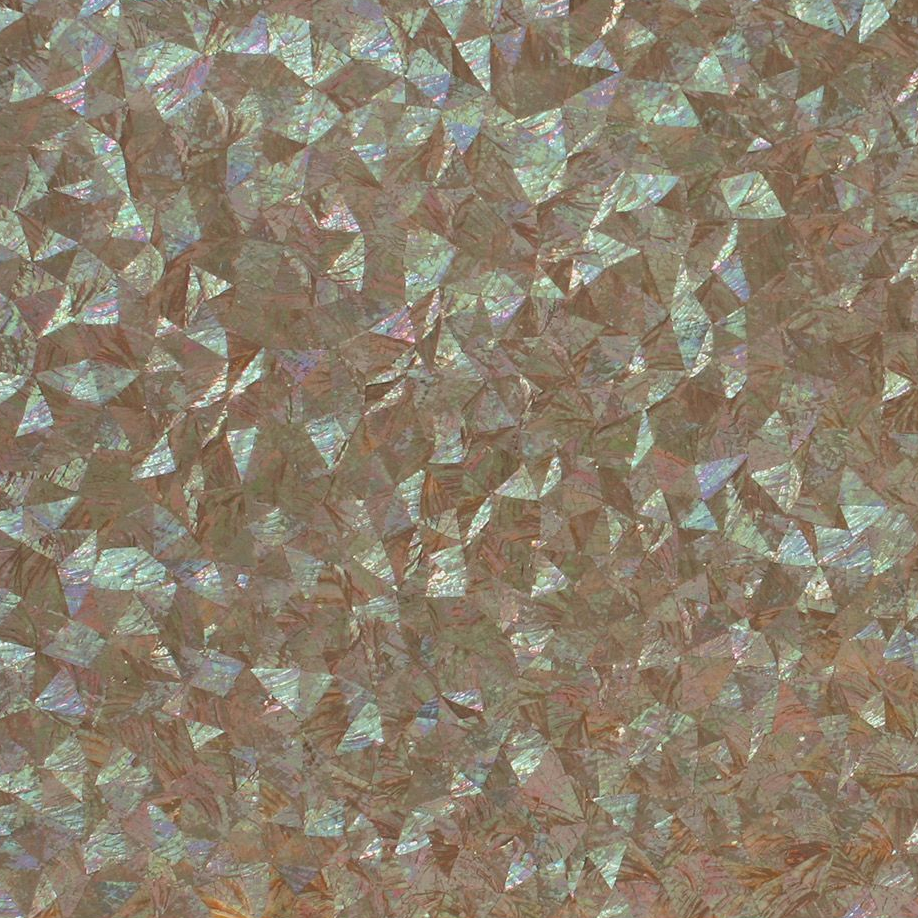
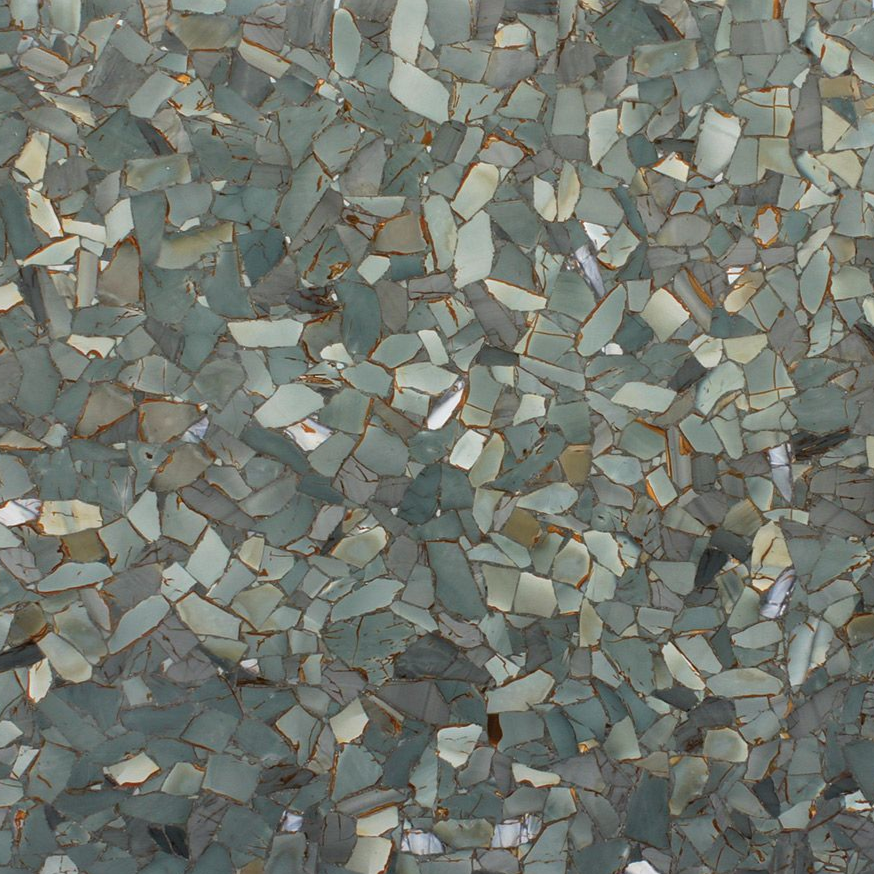
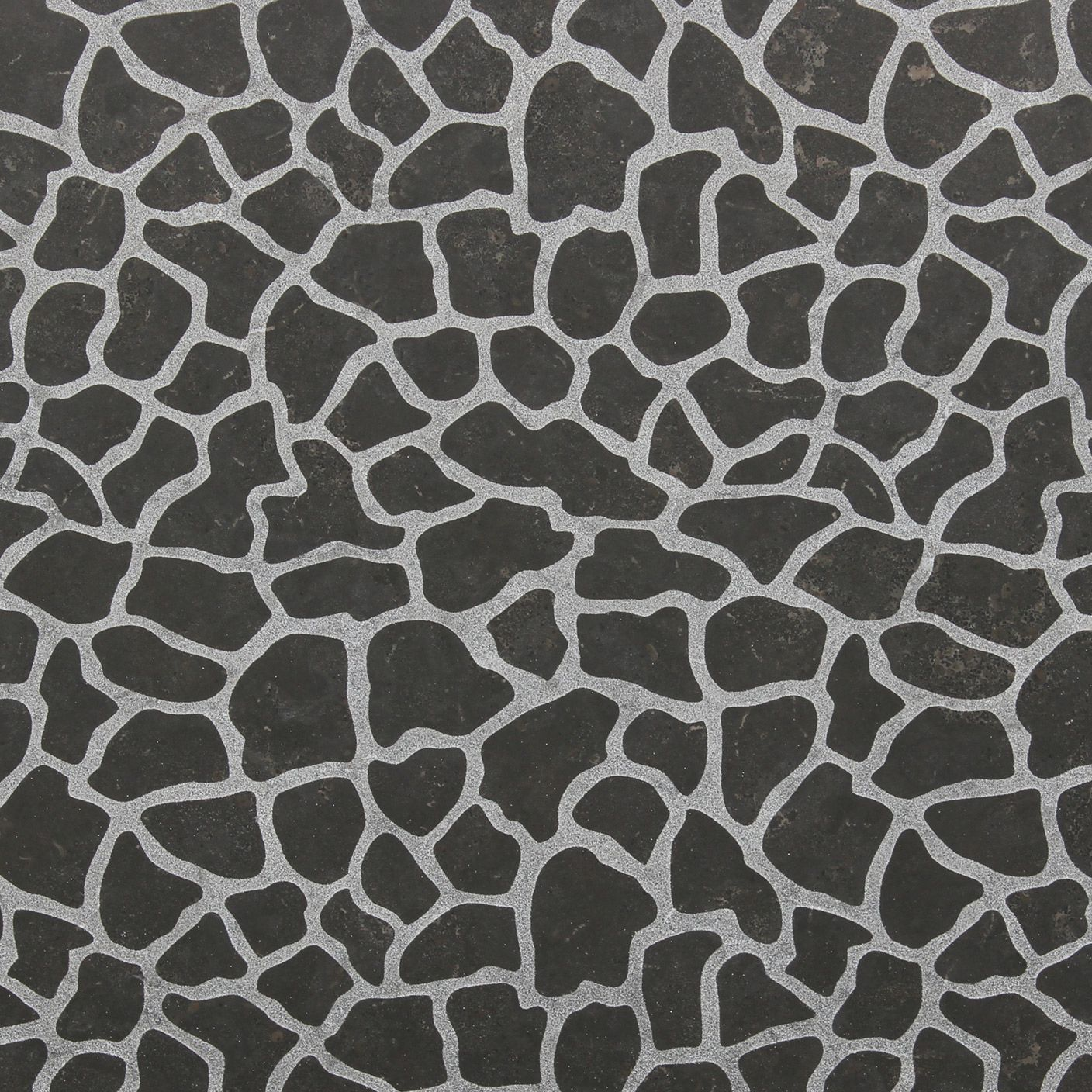
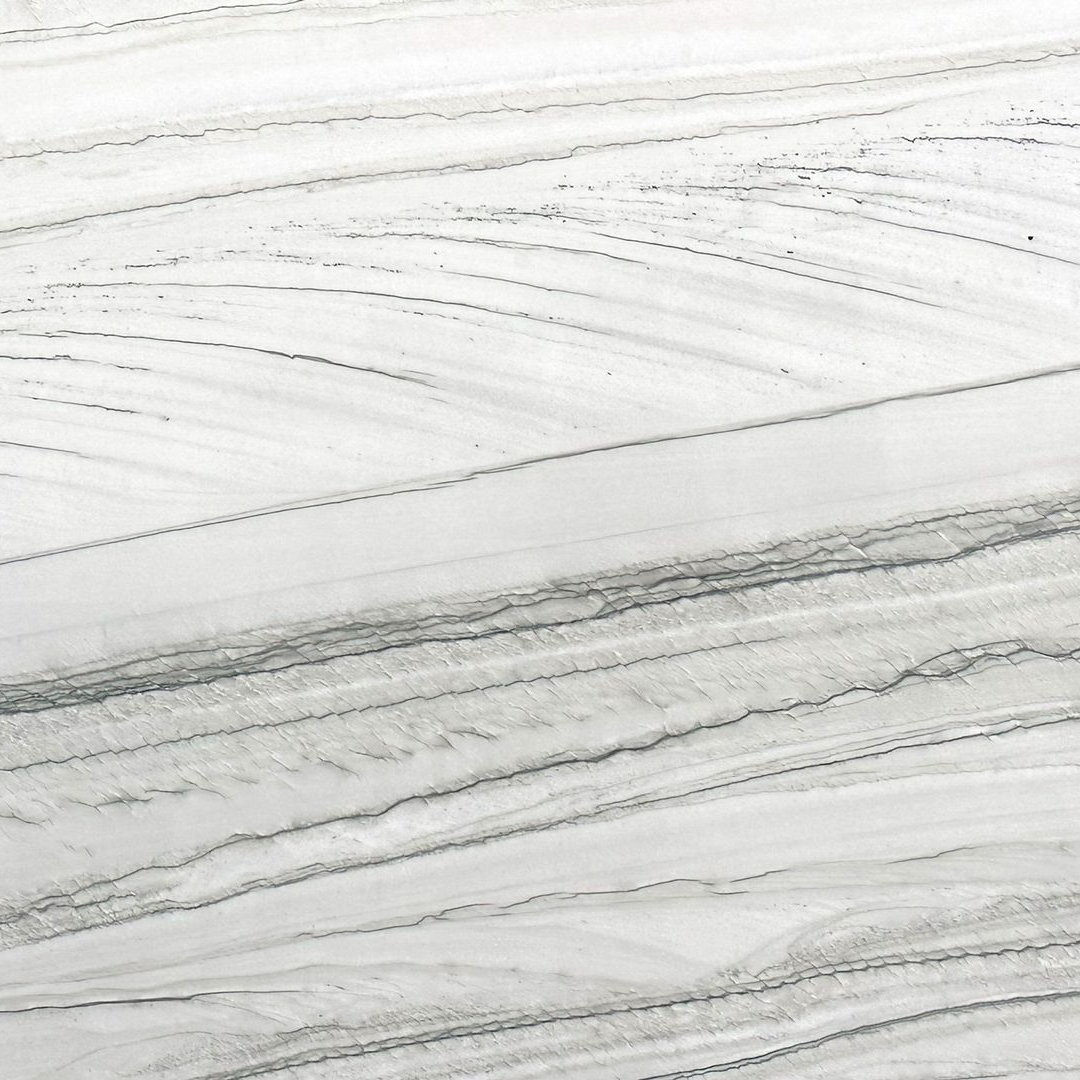
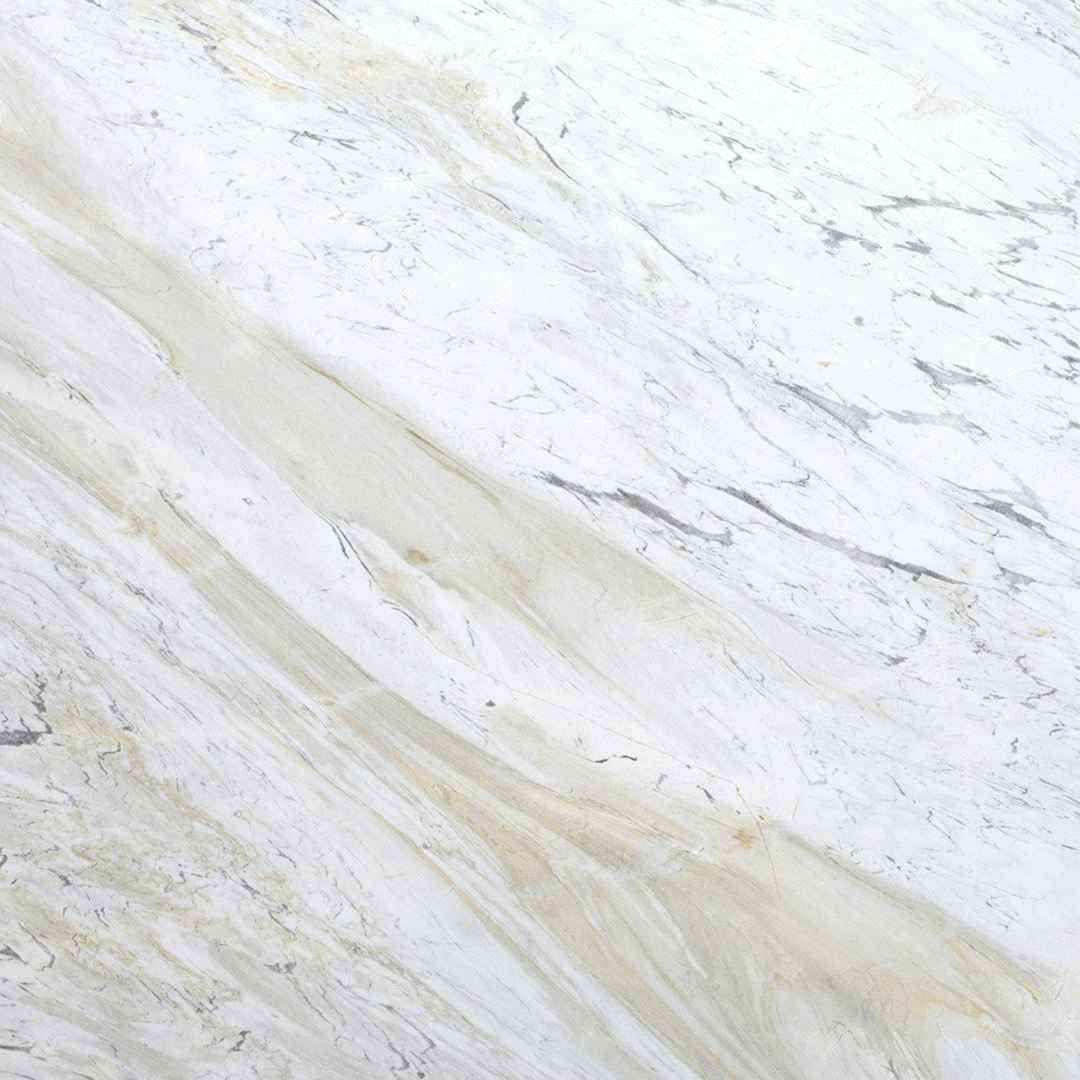
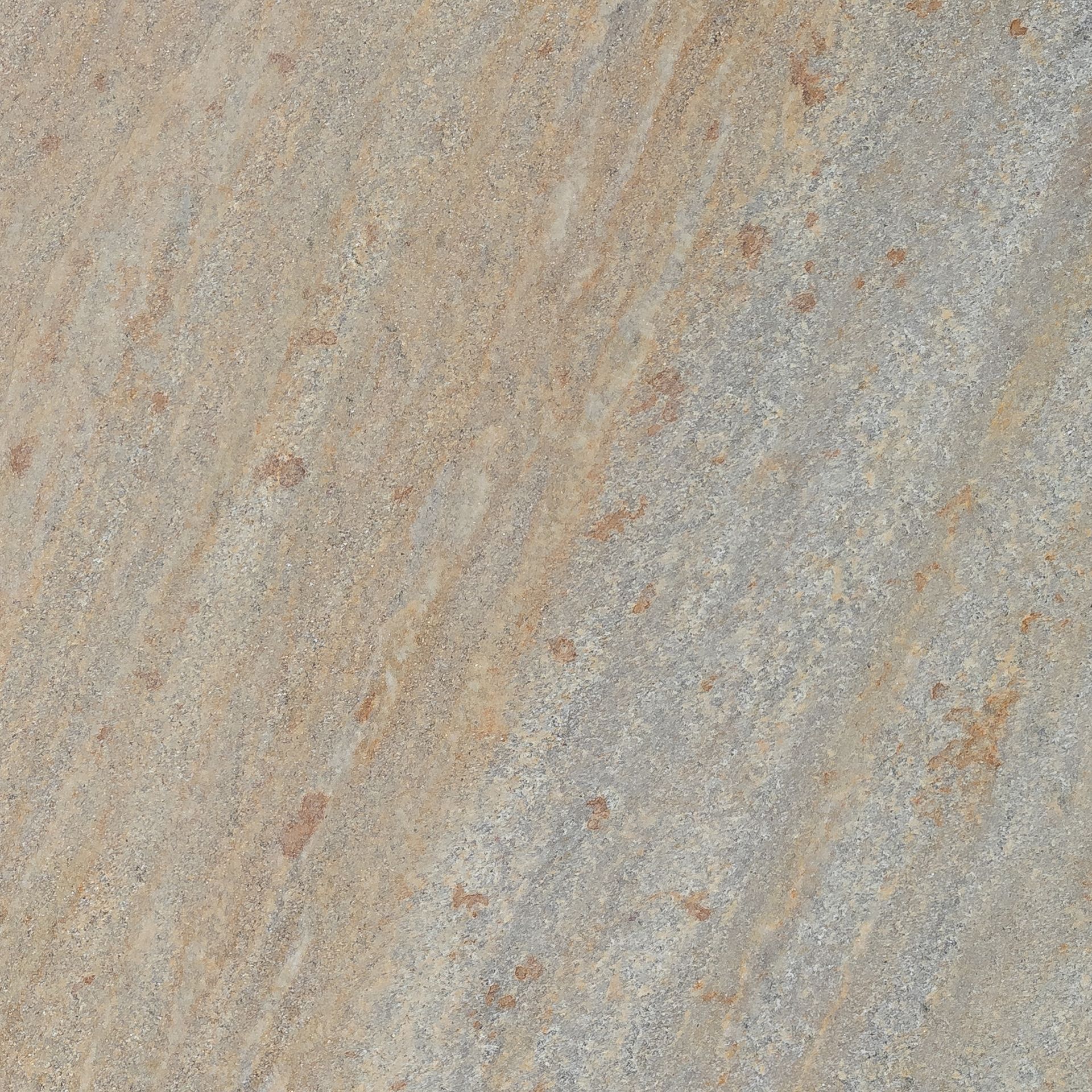
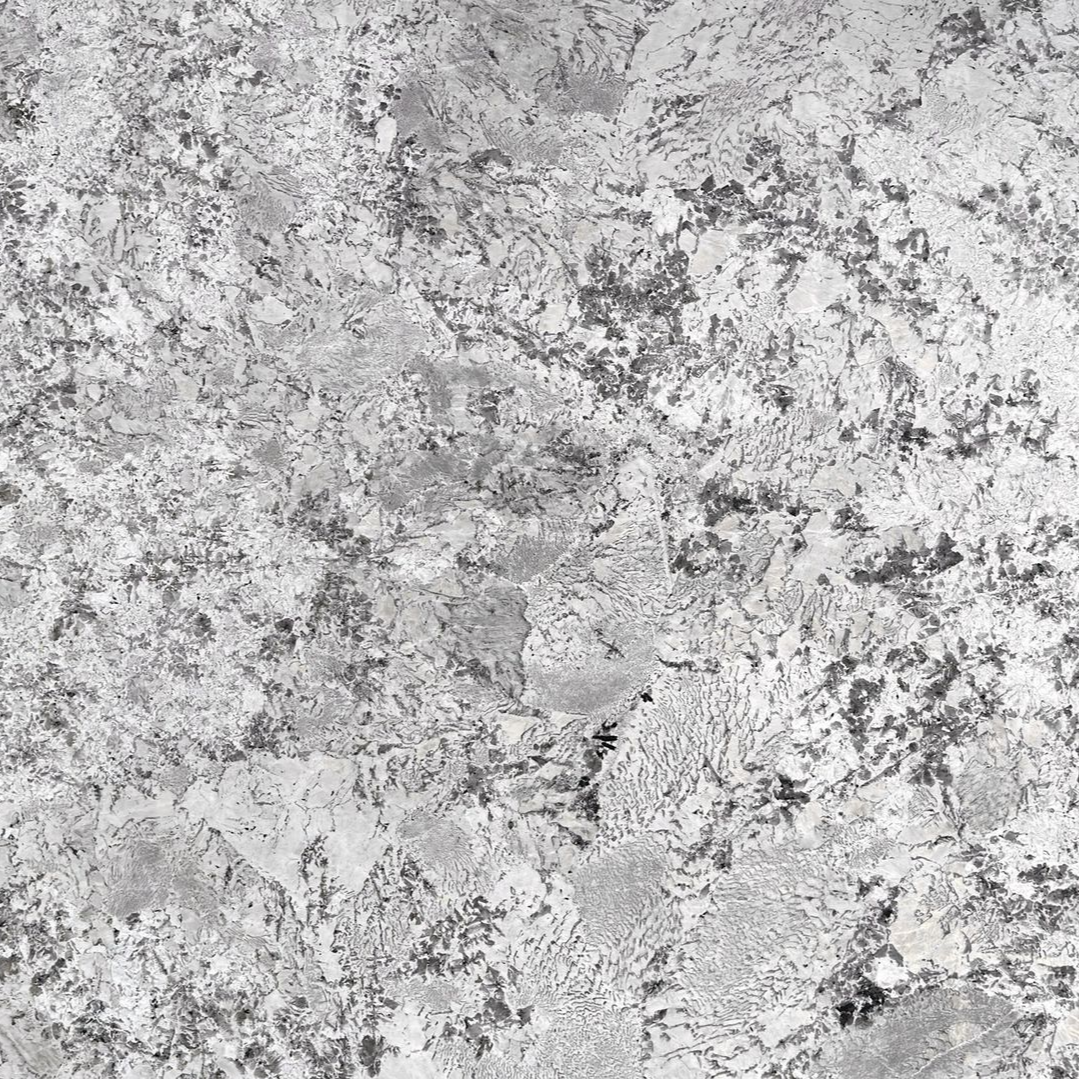
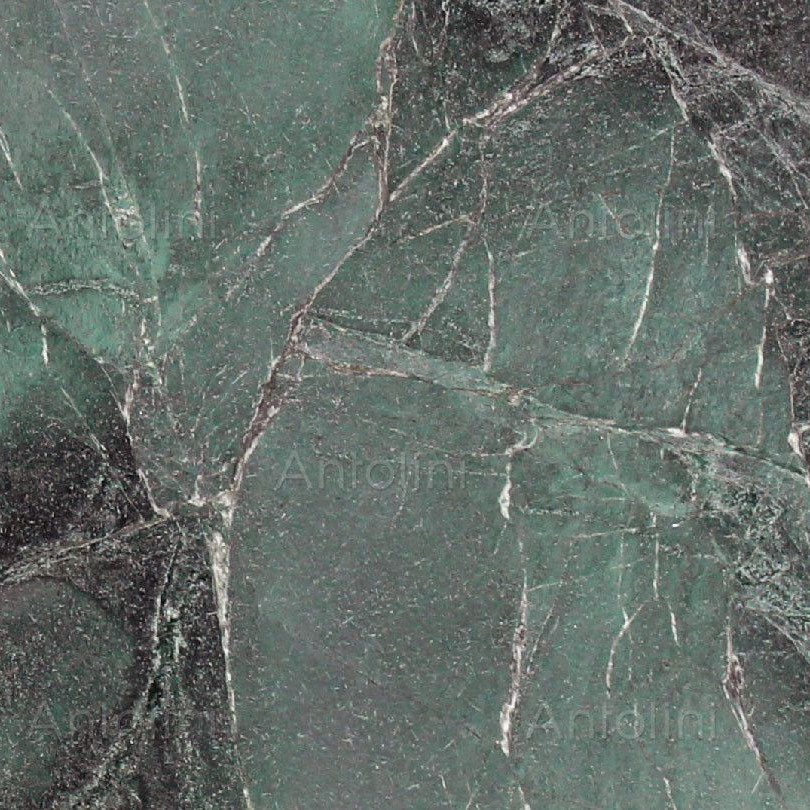
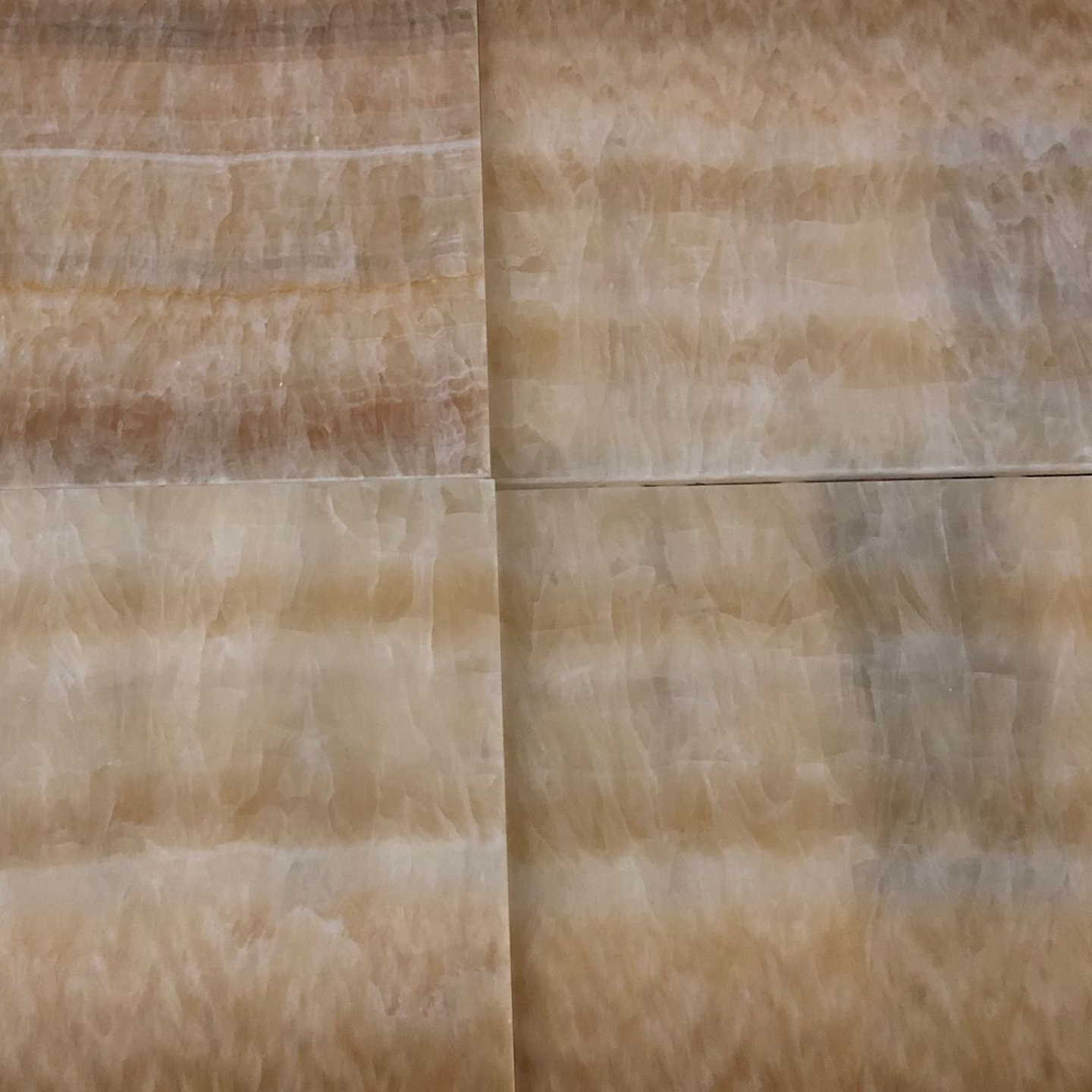
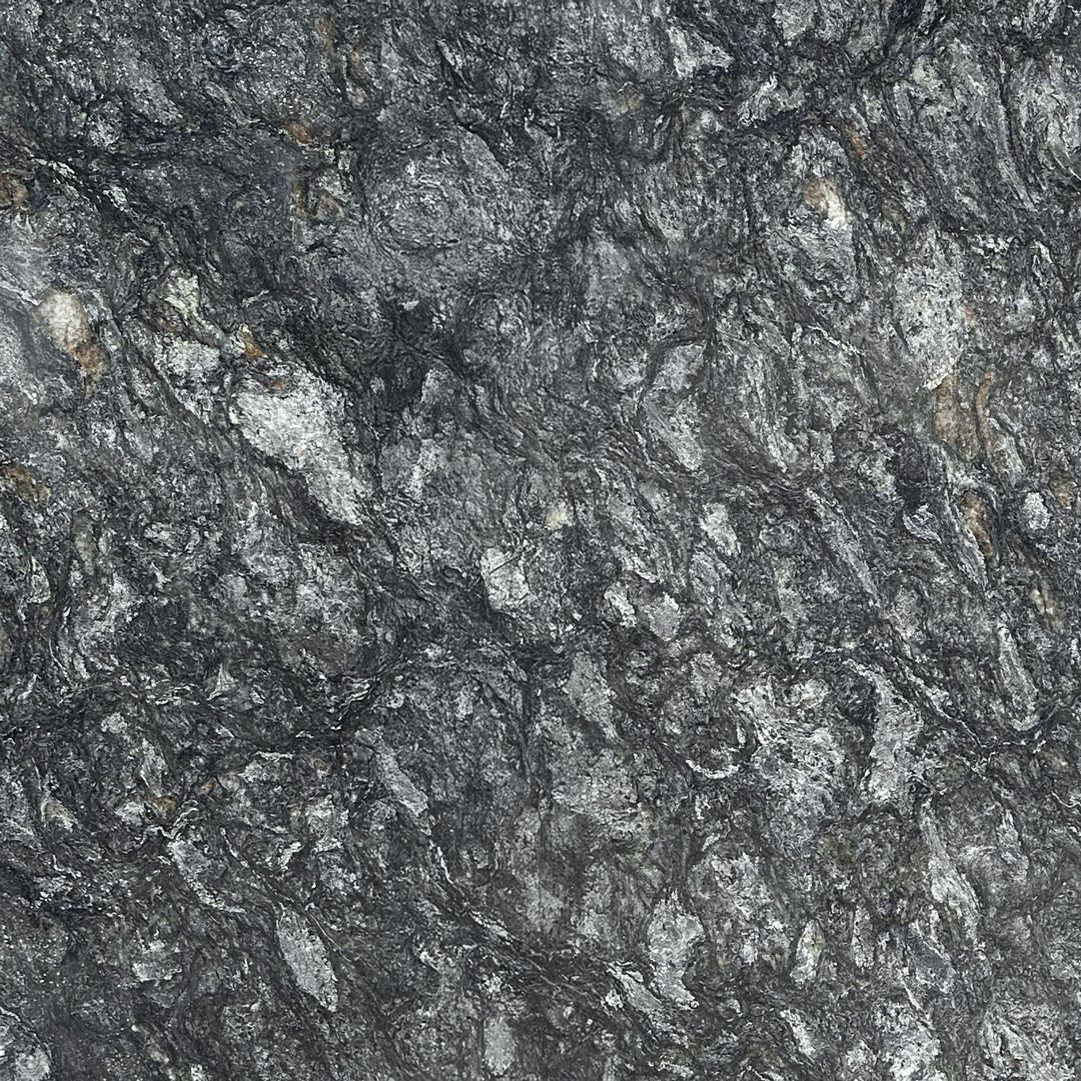
Travertine and limestone share a calcite-based composition, yet their appearance tells different geological stories. Travertine forms around mineral springs, leaving open pores, layered bands, and linear patterns, while limestone can contain fine grains, fossils, or shell fragments from ancient marine environments. These materials bring warm beige, cream, gray, and earthy tones to floors, walls, fireplaces, patios, and architectural details. Stone Trend helps Seattle clients review finish, porosity, sealing needs, and placement before selecting stone. Visit the gallery to compare them.